banner5
FBU ENGINEERING & VALIDATION CENTER

Verified Before Production.

Controlled for Repeat Supply.

FBU can configure a mature cartridge-seal platform or develop a new seal architecture. Engineering depth is applied according to the application, design scope and risk.
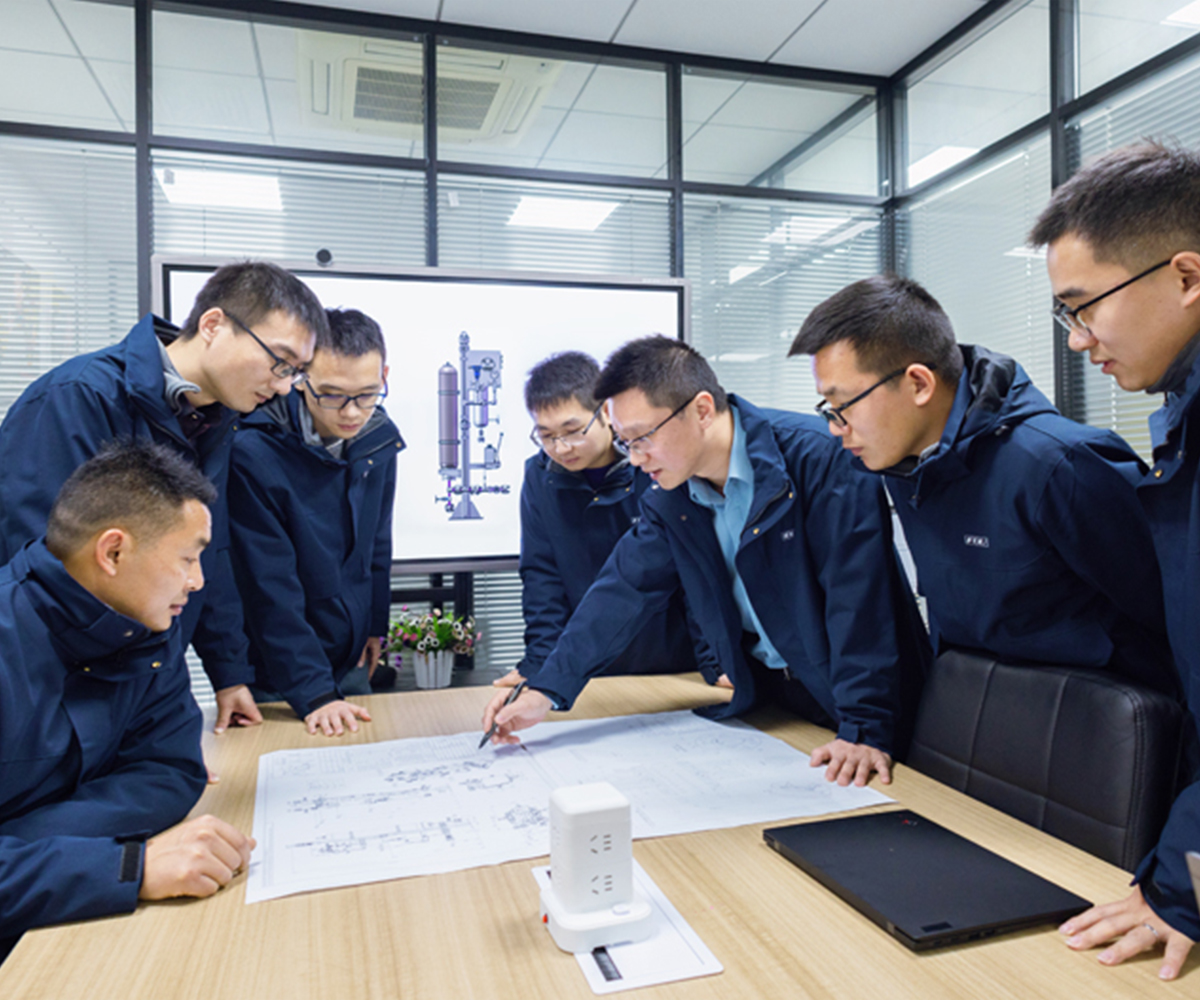
Controlled 3D design Calculation and analysis

Applicable dynamic validation

Engineering-banner
HOW FBU ENGINEERS A SEAL
Four controlled stages from application to repeat supply.
The process is consistent. The calculations, analyses and tests are selected according to the design scope and risk.
Two possible starting points
Configure a mature FBU platform—or develop and validate a new seal architecture when the application requires it.
01

Understand Equipment & Duty

02

Engineer the Seal

03

Manufacture & Validate

04

Release for Repeat Supply

Detailed development procedures, controlled records and sanitized examples can be reviewed during an authorized customer audit.

ENGINEERING DECISIONS
The design is checked where it matters.
FBU selects the necessary calculations and analyses for the seal architecture, operating duty and project risk.

MECHANICAL BEHAVIOR

Loading, stability and component strength.

Engineering review supports reliable sealing behavior and suitable pressure-boundary strength.

THERMAL BEHAVIOR

Heat generation, heat removal and deformation.

Thermal review supports material, flush and operating decisions where the application requires it.
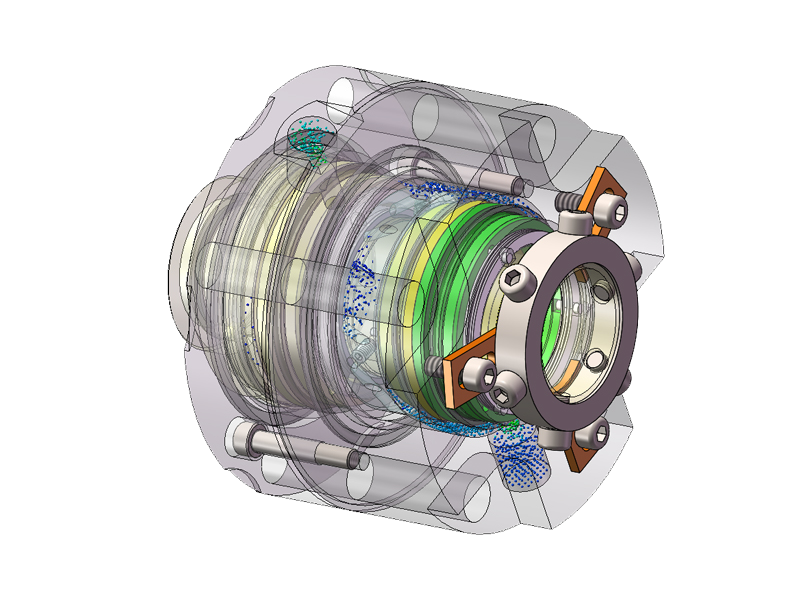
CONTROLLED 3D DESIGN AND ANALYSIS
See the fit and behavior before release.
All FBU product drawings are developed from controlled 3D design. Applicable structural and thermal analyses support design review and validation planning.
1-2

3D DESIGN

Complete Assembly and Interface Review

Controlled 3D assemblies support fit, drawing release and manufacturing continuity.
2

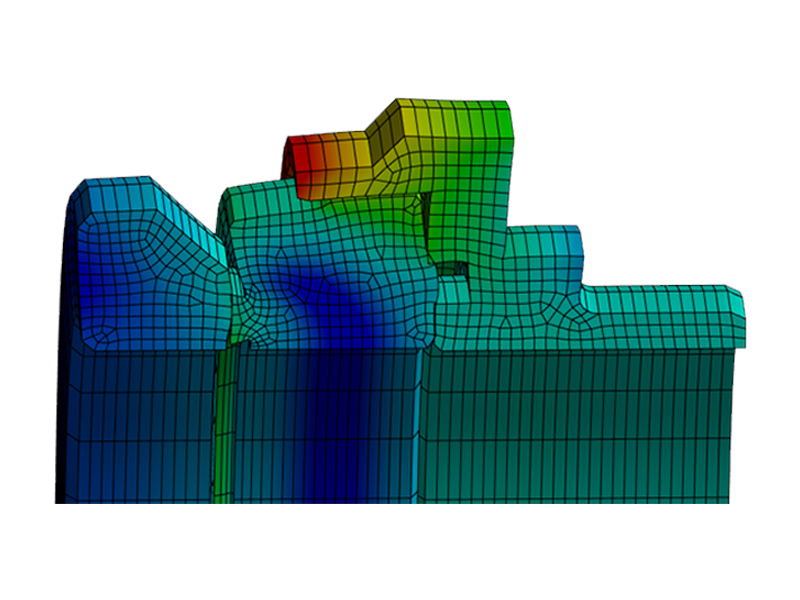
STRUCTURAL ANALYSIS

Pressure and Component Behavior


Applicable analysis reviews deformation, strength and pressure-boundary behavior.
3

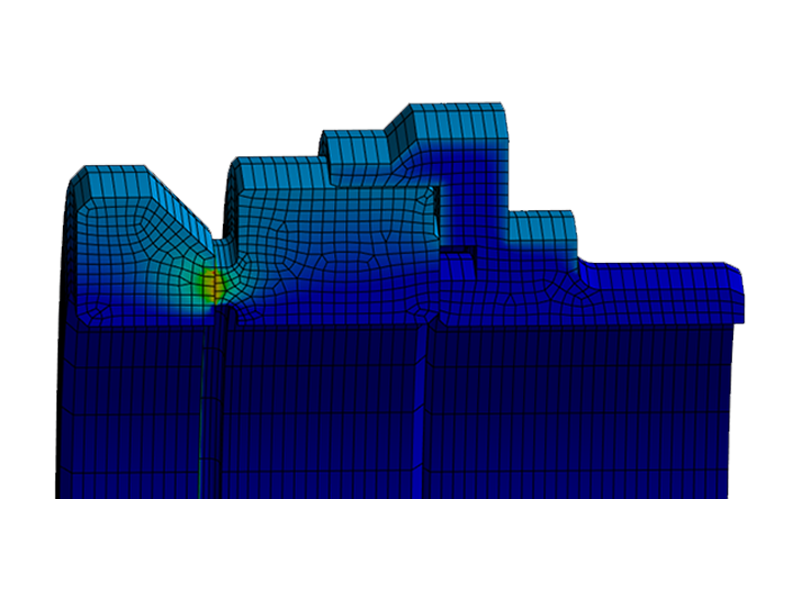
THERMAL ANALYSIS

Temperature and Thermal Deformation


Applicable analysis reviews temperature distribution and combined thermal-mechanical behavior.

Public boundary: FBU shows sanitized 3D capability and analysis types. Software brands, customer data, design inputs and detailed acceptance criteria remain controlled and can be reviewed during an authorized audit.

API 682 ENGINEERING
API 682 principles across development. Full project scope where applicable.
FBU applies API 682 engineering principles across its cartridge-seal development, while full API 682 project requirements are defined and verified within the applicable project scope.
Project scope may define the seal arrangement, materials, connections, documentation, inspection and testing required for that application.

CALCULATION‑DOCUMENT BOUNDARY

Review the engineering. Protect the design record.

Detailed mechanical-seal calculations are controlled engineering records.

They may be reviewed during an authorized technical meeting or formal supplier audit.

They are not issued as standard mechanical-seal project deliverables.

Seal-support-system design calculations can be supplied as formal project documents when included in the agreed documentation scope.

API Spec Q1 is not presented as blanket API product certification, API Monogram authorization or API 682 product approval.
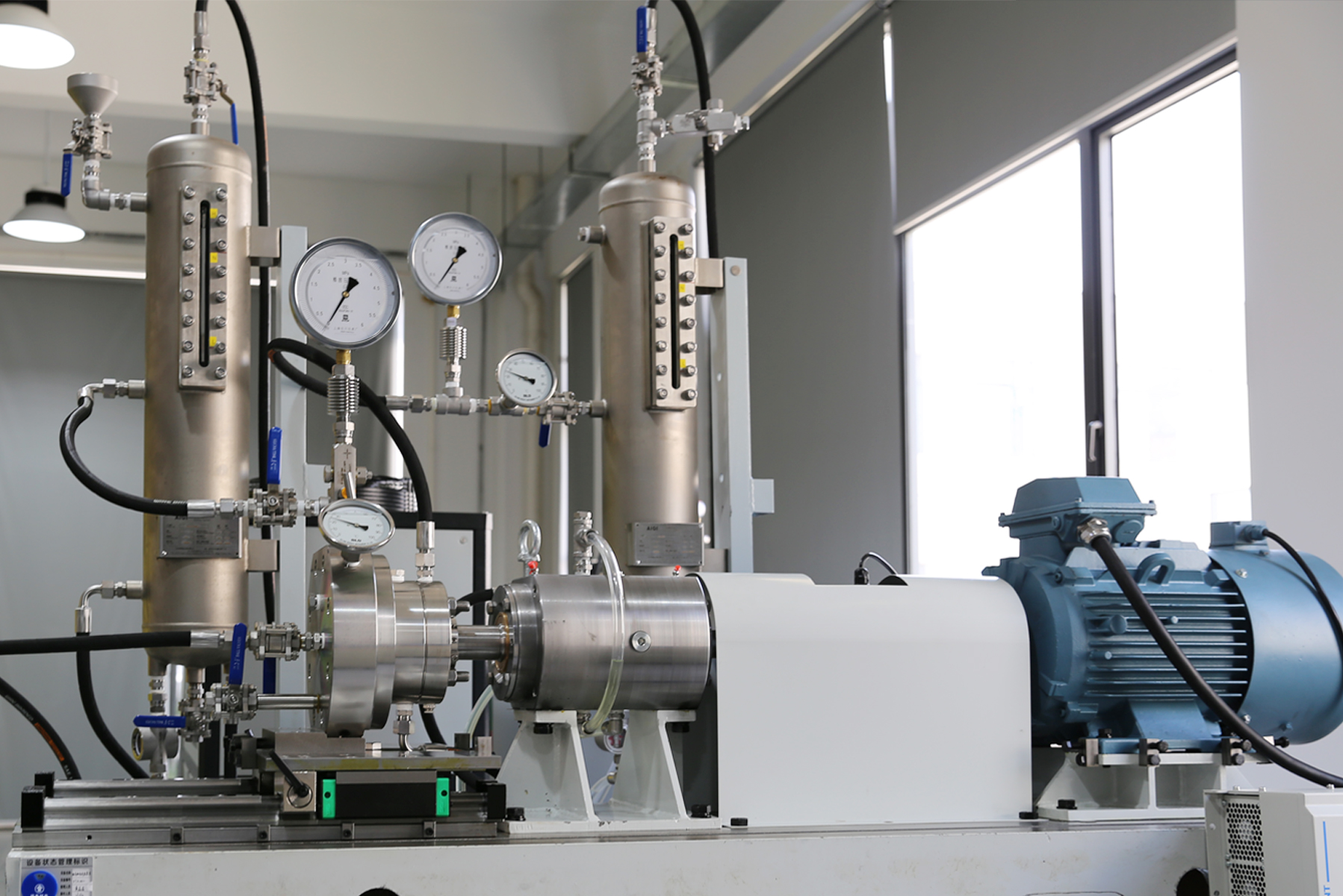
试验台
PROTOTYPE AND DYNAMIC VALIDATION
A new architecture must be validated before it becomes a mature platform.
New seal architectures complete applicable dynamic validation before formal release. Dynamic testing can also be arranged across FBU’s complete mechanical-seal product range according to project scope and customer requirements
Mature-platform repeat orders do not require every unit to repeat platform-level dynamic validation.

Test limits, conditions, records and approved evidence can be reviewed within the relevant project or customer-audit scope.

Shipment-test boundary: every applicable complete cartridge seal is air-leak tested before shipment. Dynamic validation and routine shipment air-leak testing are different controls.

CONTROLLED DEVELOPMENT
Design knowledge retained for repeat supply.
PLM controls 3D models, drawings, BOMs, revisions and product records. SAP supports order, production and delivery coordination. FBU design and development activities are controlled through documented procedures within its API Spec Q1 quality management system.

DESIGN CONTROL

Inputs, Reviews & Approval

Defined design inputs and responsibilities
Concept, drawing and verification review
Formal release after required validation

DIGITAL CONTROL

3D, Drawings, BOM & PLM

Controlled 3D design and released drawings
BOM and revision continuity
PLM archive for repeat supply

LIFECYCLE LEARNING

Application Feedback

Post-delivery performance follow-up
Engineering review when changes are required
Controlled incorporation into future supply
VERIFY THE ENGINEERING BEHIND THE PRODUCT
Don’t Take Our Word for It.
Audit FBU.
Authorized customers can review the controlled engineering process, software operation, calculations, sanitized projects and validation records during a supplier audit.

Sales

Engineering

Project Delivery

Copyright © 2024 FBU Sealing Technology (Suzhou) CO.Ltd. All Rights Reserved.