
Views: 0 Author: Site Editor Publish Time: 2026-01-28 Origin: Site


Mechanical seals are vital for pump reliability, but how long do mechanical seals last? The pump mechanical seal lifespan depends on several factors, including seal type, design, materials, operating conditions, installation quality, and maintenance practices. Let’s explore these aspects to understand mechanical seal durability better.
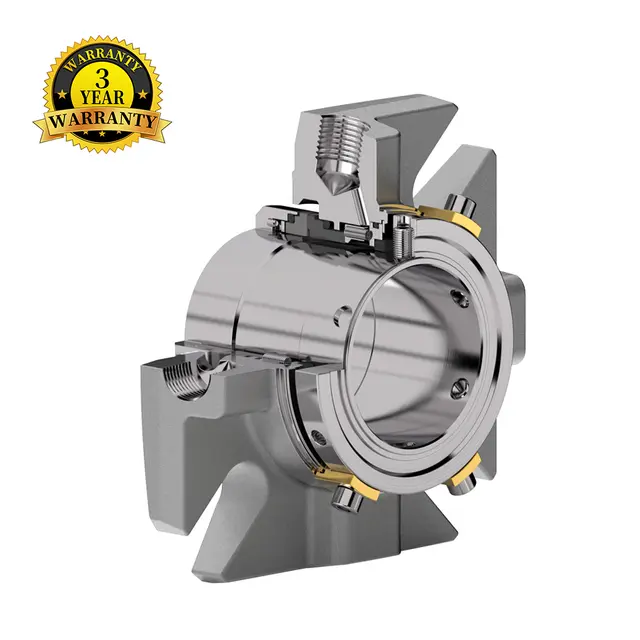
Mechanical seal life expectancy varies by type:
| Seal Type | Typical Lifespan |
| Single Spring | 1 – 2 years |
| Cartridge | 2 – 4 years |
| Bellows | 3 – 5 years |
Cartridge seals often last longer due to easier installation and reduced risk of errors. Bellows seals excel in high-temperature applications, extending their service life. Single spring seals tend to have shorter lifespans but are common in less demanding uses.
Seal design affects how well a seal handles pressure, temperature, and mechanical stress. Balanced seals distribute forces evenly, reducing wear and increasing longevity. Unbalanced seals may wear faster under high pressure. Designs that minimize face deflection help maintain lubrication, preventing premature failure.
Materials used in seal faces and elastomers greatly influence durability:
Silicon carbide: Excellent hardness, thermal conductivity, and wear resistance.
Tungsten carbide: High wear resistance, suitable for abrasive fluids.
Ceramics: Good corrosion resistance but can be brittle.
Elastomers (Viton™, EPDM): Chemical compatibility and thermal stability vary.
Selecting materials compatible with process fluids and operating conditions enhances mechanical seal reliability.
Operating temperature, pressure, fluid chemistry, and speed impact seal service life:
High temperatures can degrade elastomers.
Excessive pressure may deform seal faces.
Corrosive fluids cause material degradation.
High shaft speeds increase friction and wear.
Properly matching seal specifications to these conditions is essential to prevent mechanical seal failure reasons such as face damage or elastomer breakdown.
Poor installation can reduce pump seal lifespan dramatically. Misalignment, improper torque on gland bolts, or contamination during assembly leads to early wear and leakage. Ensuring precise installation and following manufacturer guidelines is crucial for extending mechanical seal service life.
Routine maintenance is key to extending mechanical seal longevity. Effective pump seal maintenance tips include:
Regular inspections for wear or leakage.
Cleaning and lubrication of seal components.
Monitoring operating parameters to detect issues early.
Prompt corrective actions when abnormalities appear.
Such proactive care helps prevent premature seal replacement intervals and reduces downtime.
Mechanical seals come in various designs, each tailored to specific applications and operating conditions. Understanding the characteristics and expected lifespans of these types helps in selecting the right seal to maximize mechanical seal durability and reliability.
Single spring seals are among the simplest and most common mechanical seals. They use one coil spring to provide the sealing force, which makes them compact and cost-effective. However, their design exposes the spring to the pumped fluid, which can lead to corrosion or clogging in harsh environments.
Expected Lifespan: Typically 1 to 2 years, depending on operating conditions and maintenance. Their simpler design often means a shorter mechanical seal life expectancy compared to more advanced types.
Key Points:
Prone to uneven loading on the seal faces, which can accelerate wear.
Best suited for clean fluids and moderate operating conditions.
Installation errors can significantly reduce lifespan.
Cartridge seals are pre-assembled units that include the seal faces, gland plate, sleeve, and hardware. This design simplifies installation and reduces the risk of errors, a common cause of mechanical seal failure.
Expected Lifespan: Usually 2 to 4 years, with good installation and maintenance extending service life.
Benefits:
Easier and quicker to install, reducing downtime.
Lower risk of misalignment and contamination.
Enhanced mechanical seal reliability in demanding applications.
Bellows seals use a flexible bellows element to provide the sealing force instead of springs. This design isolates the spring from the process fluid, improving resistance to corrosion and clogging.
Expected Lifespan: Generally 3 to 5 years, especially in high-temperature or corrosive environments.
Features:
Ideal for handling aggressive chemicals and high temperatures.
Bellows flexibility accommodates shaft movement, reducing wear.
Requires careful material selection to avoid fatigue failure.
Balanced seals are designed to reduce the hydraulic forces acting on the seal faces, distributing pressure evenly. This reduces face wear and heat generation, improving mechanical seal longevity.
Balanced Seals:
Longer lifespan in high-pressure applications.
Better performance under fluctuating operating conditions.
Unbalanced Seals:
Simpler and less expensive.
Tend to have shorter lifespans, especially under high pressure or speed.
Suitable for less demanding services.
Mixers and high-pressure pumps often require seals designed to withstand unique stresses:
Mixer Seals: Must handle variable shear forces and abrasive particles. Lifespan varies widely depending on intensity and fluid abrasiveness.
High-Pressure Seals: Often balanced and made with robust materials like tungsten carbide or silicon carbide to resist wear and deformation.
Selecting specialized seals tailored to these conditions helps optimize pump seal lifespan and reduce mechanical seal failure reasons.
The lifespan of mechanical seals hinges on several critical factors. Understanding these helps improve mechanical seal durability and reliability, ultimately extending pump seal lifespan and reducing maintenance costs.
Material selection plays a pivotal role in mechanical seal life expectancy. Seal faces and elastomers must resist wear, corrosion, and chemical attack. Common face materials like silicon carbide and tungsten carbide offer excellent hardness and wear resistance, ideal for abrasive or high-speed applications. Ceramics provide good corrosion resistance but can be brittle under impact.Elastomers such as Viton™ or EPDM vary in chemical compatibility and temperature tolerance. Choosing materials compatible with the pumped fluid prevents swelling, cracking, or degradation, which are common mechanical seal failure reasons. For example, Viton™ withstands hydrocarbons and moderate heat, while EPDM suits water-based fluids but degrades with oils.
Operating conditions significantly affect mechanical seal service life. High temperatures can cause elastomer hardening or softening, leading to leaks or face damage. Excessive pressure may deform seal faces or cause extrusion of elastomers, reducing mechanical seal reliability.Shaft speed influences friction and heat generation at the seal interface. Higher speeds demand harder face materials and effective cooling or flushing to avoid premature wear. Operating outside recommended temperature, pressure, or speed limits accelerates mechanical seal wear causes and shortens replacement intervals.
Chemical exposure can be harsh on seals. Aggressive fluids may corrode metal parts or degrade elastomers. Selecting corrosion-resistant materials like stainless steel or specialized alloys for metal components helps. Additionally, face materials must tolerate chemical attack without losing integrity.Understanding the full chemical profile, including cleaning agents or trace contaminants, is vital. Overlooking minor chemicals often leads to unexpected mechanical seal failure reasons. Regular monitoring of fluid chemistry supports proactive seal maintenance and extends mechanical seal longevity.
The environment around the pump impacts seal life. Abrasive particles in fluids cause mechanical wear on seal faces and elastomers. Corrosive atmospheres or fluids accelerate material degradation. Dust, dirt, and moisture can infiltrate the seal chamber if not properly sealed or maintained.Implementing seal support systems with appropriate flushing or barrier fluids helps protect seals from harsh environmental effects. Proper sealing and filtration reduce abrasive damage and corrosion, enhancing mechanical seal durability.
Proper installation and regular maintenance are crucial to achieving the maximum pump mechanical seal lifespan. Even the best-designed mechanical seals can fail prematurely if installation or upkeep is neglected. Let’s dive into best practices and common pitfalls that influence mechanical seal durability and reliability.
Follow Manufacturer Guidelines: Always adhere to the specific instructions provided by the seal manufacturer. This includes torque specifications, alignment tolerances, and assembly sequences.
Cleanliness Is Key: Keep all seal components and the sealing environment free from dirt, debris, and moisture. Contaminants can cause immediate damage or accelerate mechanical seal wear causes.
Check Shaft Condition: Ensure the shaft or sleeve is smooth (surface finish Ra 0.3–0.6 µm), free of scratches, corrosion, or runout beyond 0.05 mm. A damaged shaft can quickly degrade the seal faces.
Proper Gland Bolt Torque: Uneven or excessive torque can distort the seal, causing face misalignment and leakage.
Rotate Shaft by Hand: After installation, rotate the shaft manually to confirm free movement and correct seating of the seal faces.
Eliminate Air Pockets: Priming the pump and flushing the seal chamber prevents dry running, which can cause rapid seal failure.
Ignoring Shaft Misalignment: Even slight misalignment increases friction and wear.
Improper Lubrication: Failing to lubricate seal faces or elastomers during assembly causes dry spots and early damage.
Contaminated Assembly Environment: Dirt or particles trapped inside the seal can cause scoring or cracking.
Over-tightening Gland Bolts: Leads to distortion and uneven face loading.
Skipping Pre-Start Checks: Not verifying seal movement or air elimination can result in immediate leaks or failures.
Regular Inspections: Check for leakage, unusual noises, or vibration. Early detection of wear or damage can prevent catastrophic failure.
Clean Seal Components: Remove buildup of deposits or scale that can impair seal function.
Lubricate Elastomers: When applicable, maintain proper lubrication to prevent drying or cracking.
Monitor Operating Conditions: Keep temperature, pressure, and shaft speed within recommended limits to avoid stressing the seal.
Replace Worn Parts Promptly: Timely replacement of damaged components avoids secondary damage.
Visual Checks: Look for fluid leaks or seal face damage.
Vibration Analysis: Detect abnormal shaft or seal vibrations indicating misalignment or imbalance.
Temperature Monitoring: Elevated seal chamber temperatures can signal lubrication failure or excessive friction.
Pressure Monitoring: Sudden pressure drops may indicate seal leakage.
Ultrasonic Leak Detection: Useful in detecting small seal leaks before visible signs appear.
Implementing these installation and maintenance measures significantly extends the mechanical seal service life, reduces downtime, and lowers lifecycle costs.
Mechanical seal support systems play a crucial role in extending pump mechanical seal lifespan and enhancing overall reliability. Properly designed seal support and piping plans help manage temperature, contamination, and pressure around the seal faces, reducing mechanical seal wear causes and failure risks.
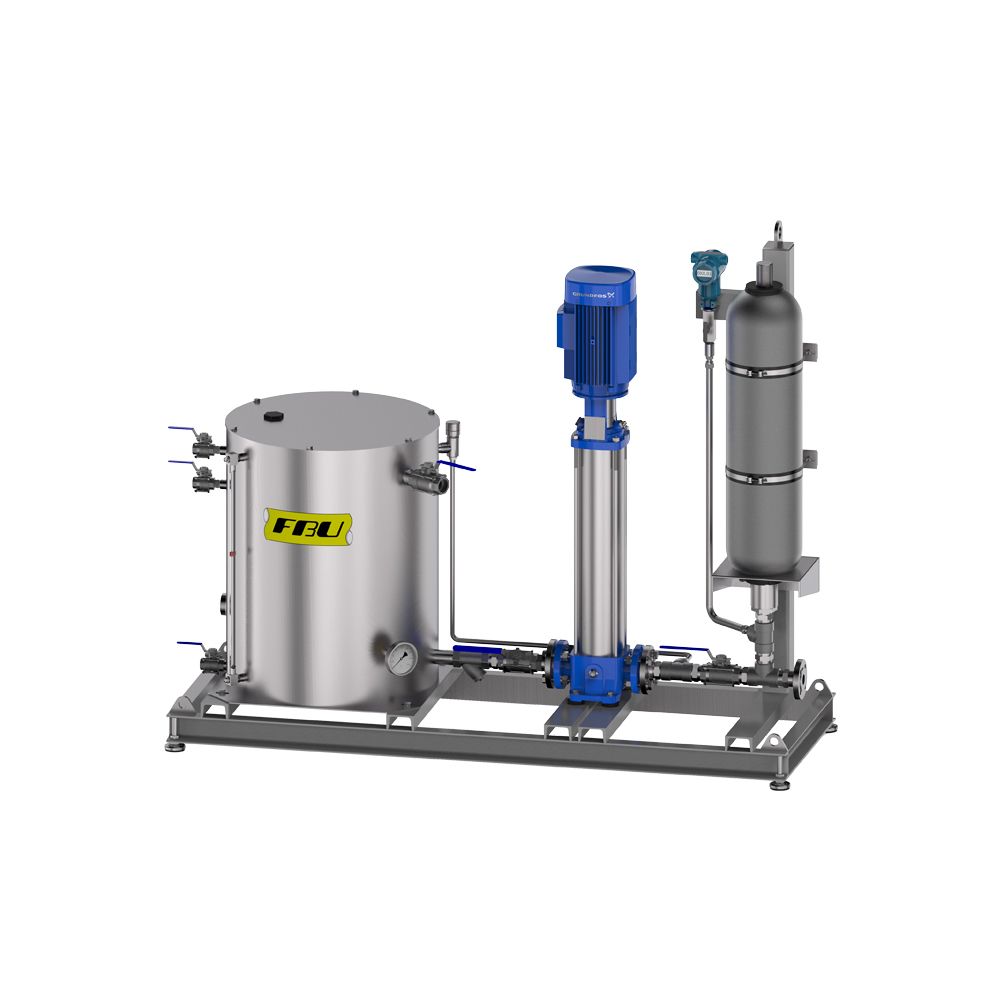
Seal support systems provide a controlled environment to the mechanical seal, ensuring optimal lubrication and cooling. Without adequate support, seals face thermal shocks, dry running, or contamination, all of which drastically shorten mechanical seal service life.Common piping plans follow industry standards like API 682 and ISO 21049, specifying configurations to flush, cool, or pressurize the seal chamber. These plans include:
Plan 11: A clean, pressurized flush from the pump discharge or an external source.
Plan 21: External flush with cooler fluid for temperature control.
Plan 32: External circulation to remove solids and heat.
Plan 53A/B: Pressurized barrier systems for hazardous or high-temperature fluids.
Choosing the right plan depends on fluid properties, operating conditions, and seal type. Implementing these systems effectively prevents premature mechanical seal failure reasons such as overheating, corrosion, or abrasive damage.
Flush plans supply clean fluid to the seal faces, maintaining lubrication and removing heat generated by friction. They also help flush away solids or contaminants that could scratch or erode seal faces.For example, Plan 11 uses the pumped fluid under pressure to flush the seal chamber, ideal for clean services. In slurry or dirty fluids, Plan 32 circulates a filtered external fluid to avoid abrasive wear. Proper flushing reduces mechanical seal wear causes and extends the mechanical seal replacement interval.
Double mechanical seals often use barrier or buffer fluids to isolate the process fluid from the environment. These systems maintain a clean, pressurized fluid between seal faces, preventing leakage of hazardous fluids and protecting the seal from extreme temperatures.
Barrier systems (Plan 53A): Use a clean, pressurized fluid compatible with the process fluid.
Buffer systems (Plan 53B): Use an inert fluid to protect against contamination.
These support systems significantly enhance mechanical seal durability and reliability in demanding applications, increasing seal longevity and reducing downtime.
By maintaining optimal lubrication, temperature, and cleanliness at the seal faces, support systems reduce friction, wear, and thermal degradation. This controlled environment minimizes mechanical seal failure reasons, such as elastomer swelling, face cracking, or corrosion.Well-maintained seal support systems also facilitate early detection of issues through monitoring flush flow, pressure, and temperature. This proactive approach aligns with pump seal maintenance tips that emphasize condition-based inspections, helping extend mechanical seal life expectancy and improving overall pump reliability.
When evaluating mechanical seals, focusing solely on the initial purchase price can be misleading. The total lifecycle cost, which includes installation, maintenance, downtime, and replacement expenses, provides a clearer picture of the financial impact over time. Understanding these cost implications helps businesses make informed decisions that optimize mechanical seal reliability and pump seal lifespan.
A low-cost mechanical seal may appear attractive upfront but often leads to higher expenses due to shorter mechanical seal life expectancy and frequent replacements. For example, a basic single spring seal might cost significantly less than a premium cartridge or bellows seal. However, the frequent mechanical seal replacement interval and associated downtime can multiply operational costs.Conversely, investing in high-quality seals with robust materials and advanced designs often results in longer mechanical seal durability and fewer failures. This reduces labor costs and unplanned downtime, ultimately lowering the total cost of ownership. Lifecycle cost analysis should include:
Initial seal price
Installation labor and downtime
Maintenance frequency and parts
Costs related to unplanned shutdowns or leaks
Environmental and safety compliance expenses
Premature mechanical seal failures can have severe financial consequences beyond the cost of the seal itself. Unexpected downtime interrupts production, leading to lost revenue and potential contractual penalties. Additionally, leaks can cause product loss, environmental damage, and costly cleanup efforts.For instance, a refinery experiencing seal failures every 7 months faced significant maintenance and operational costs. After upgrading to a double mechanical seal with a Plan 53A barrier system, the mean time between failures extended to over 2 years, saving tens of thousands of pounds in avoided downtime and repairs.
High-quality mechanical seals paired with appropriate seal support systems enhance mechanical seal reliability and longevity. Features such as balanced designs, superior face materials like silicon carbide, and optimized piping plans reduce mechanical seal wear causes and failure reasons.Investing in premium seals often means:
Extended mechanical seal service life
Reduced maintenance intervals
Lower risk of catastrophic failure
Improved pump and process reliability
Better compliance with environmental regulations
These benefits translate into cost savings and increased operational efficiency.
Chemical Processing Plant: By switching to cartridge seals with Plan 32 external flush, the plant increased seal life from 12 to 30 months, reducing maintenance costs by 40%.
Water Treatment Facility: Implementing routine pump seal maintenance tips and upgrading to balanced seals cut downtime by 50%, saving thousands annually.
Oil Refinery: Adoption of double mechanical seals with barrier fluid systems extended seal replacement intervals from 7 months to 28 months, achieving over £40,000 in savings over two years.
These examples highlight how strategic investments in mechanical seals and lifecycle management practices yield substantial financial returns.
Maximizing pump mechanical seal lifespan depends on material quality, design, installation, and maintenance. Proper installation and routine care prevent premature failures and extend service life. Tailoring seals to specific applications ensures better durability and performance. Adopting best practices improves reliability while reducing costs and downtime. At FBU, we not only manufacture high-quality Mechanical Seals but also provide comprehensive seal support systems. Our advanced mechanical seals and seal support solutions are designed to optimize longevity, enhance reliability, and ensure cost-effective pump operation. Trust FBU for tailored solutions that improve seal performance, reduce maintenance intervals, and maximize overall system uptime.
A: Mechanical seals usually last between 1 to 5 years depending on the seal type, materials, operating conditions, and maintenance practices. Single spring seals last 1–2 years, cartridge seals 2–4 years, and bellows seals 3–5 years, reflecting their mechanical seal durability and design differences.
A: Mechanical seal longevity depends on seal design, material compatibility with process fluids, operating temperature and pressure, installation quality, and routine pump seal maintenance. Proper matching of these mechanical seal performance factors helps prevent common mechanical seal failure reasons.
A: Extending mechanical seal life involves selecting suitable materials, following manufacturer installation guidelines, implementing effective pump seal maintenance tips, using proper seal support systems like flush or barrier plans, and monitoring operating conditions to reduce mechanical seal wear causes.
A: Mechanical seal replacement intervals vary but typically range from 1 to 5 years. Early replacement is needed if signs of leakage, excessive wear, or failure appear. Regular inspections and pump mechanical seal troubleshooting help determine the optimal replacement timing to maintain pump seal lifespan.
A: Poor installation can cause misalignment, contamination, or improper torque, leading to premature mechanical seal failure reasons. Ensuring clean assembly, correct shaft condition, and following manufacturer instructions greatly enhances mechanical seal reliability and overall pump seal lifespan.
A: Seal support systems like flush plans and barrier fluids maintain optimal lubrication, temperature, and cleanliness at seal faces, reducing mechanical seal wear causes and failure risks. Properly designed piping plans significantly improve mechanical seal durability and operational reliability.