
Views: 0 Author: Site Editor Publish Time: 2026-02-27 Origin: Site


Mechanical seals are critical components in various industrial systems, designed to prevent the leakage of fluids or gases from equipment such as pumps, compressors, and mixers. These seals play a vital role in maintaining the integrity of machinery, improving efficiency, and ensuring safety in multiple industries. This article explores the functions, types, materials, and applications of mechanical seals, offering insights into their importance and how they contribute to smooth operations in different fields.
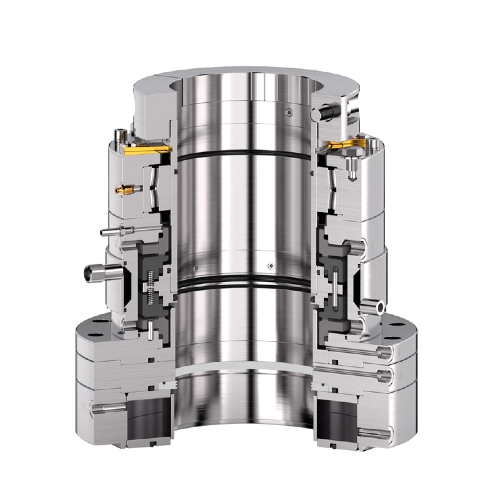
Mechanical seals are devices used to prevent leakage between rotating and stationary parts of machinery, ensuring that the fluids or gases contained within the equipment do not escape. They are typically installed at the junction between the shaft and the housing of industrial machines like pumps, compressors, and agitators. The main function of these seals is to maintain pressure, reduce friction, and prevent contamination.
A mechanical seal consists of two primary parts:
Rotary Seal Face: This part rotates with the shaft.
Stationary Seal Face: This part remains stationary and is pressed against the rotary seal face to prevent leakage.
Mechanical seals are used in various industries, from chemical processing to food manufacturing, where reliability and leak-free operation are crucial.
The primary functions of mechanical seals are vital for ensuring the safety and efficiency of industrial systems. These functions are directly tied to the performance and longevity of the equipment they protect.
Leakage of fluids or gases is one of the most common causes of industrial downtime and maintenance. Mechanical seals prevent this leakage by maintaining a sealed environment between rotating and stationary parts. By doing so, they help contain chemicals, oils, water, and other substances, preventing environmental contamination and ensuring that the equipment works efficiently.
Mechanical seals reduce the friction between moving parts by forming a smooth interface between the rotary and stationary seal faces. This reduction in friction prevents excessive wear and tear on the components, which is critical for extending the lifespan of machinery.
Another key function of mechanical seals is their ability to prevent contaminants such as dust, dirt, and moisture from entering the machinery. Contaminants can cause severe damage to the internal components of equipment, leading to costly repairs and prolonged downtime. Mechanical seals help maintain clean operating conditions by creating a barrier that protects against external contaminants.
Mechanical seals also play an essential role in controlling the internal pressure of systems. They help manage the pressure between the inside of the equipment and the surrounding environment, preventing the pressure from escaping or fluctuating, which can lead to equipment malfunction.
There are various types of mechanical seals, each designed to meet the specific requirements of different applications. The selection of the right type of seal depends on factors like the nature of the fluid being sealed, pressure, temperature, and the design of the equipment.
Standard cartridge seals are one of the most commonly used types in industrial applications. They consist of a pre-assembled unit that includes the seal faces, springs, and other components. These seals are designed to be easy to install, reducing maintenance time and ensuring a tight seal. The modular design ensures compatibility with most systems, making them ideal for general-purpose use.
Double mechanical seals are used in applications where extra protection is required. These seals consist of two sets of sealing faces that work together to prevent leakage. The inner seal faces handle the primary sealing function, while the outer seal faces act as a backup in case of failure. Double seals are often used in high-pressure systems or in industries where hazardous materials are being handled, such as in the chemical or petrochemical industries.
Conventional mechanical seals are the simplest form of sealing technology, typically used in low-pressure applications. They are effective in standard conditions where there is no need for double protection or additional sealing layers. These seals are cost-effective and provide reliable performance in less demanding environments.
Bi-directional mechanical seals are designed to handle fluid flow in both directions, making them suitable for pumps or systems where the direction of flow may change. These seals provide flexibility in applications where rotational direction varies, ensuring a reliable seal under various operational conditions.
Split mechanical seals are designed to be easy to install and maintain. They can be fitted onto existing equipment without the need for disassembling the machinery, making them ideal for applications where frequent maintenance or replacement is required. Split seals are typically used in larger systems, such as in large pumps or turbines, where downtime is costly.
The material choice for mechanical seals is critical to ensuring durability, efficiency, and long service life. Different materials offer varying properties such as wear resistance, corrosion resistance, and friction reduction. Below is a comparison table of common materials used in mechanical seals and their properties:
Material | Properties | Applications |
Ceramic Materials | High hardness, wear resistance, and ability to withstand high temperatures. Resistant to corrosion. | Used for stationary seal faces in high-temperature and harsh environments. |
Carbon | Self-lubricating, wear-resistant, reduces friction. | Ideal for seals exposed to abrasive fluids or requiring lubrication. |
Tungsten Carbide | Extremely hard, resistant to wear and corrosion, high temperature tolerance. | Used in heavy-duty applications like chemical processing and oil refining. |
Elastomers & Polymers | Flexible, resistant to chemicals, excellent sealing performance. | Used for sealing elements where flexibility and chemical resistance are critical. |
Stainless Steel | Strong, durable, resistant to corrosion. | Commonly used in springs, gland plates, and support rings. |
Mechanical seals are used in various industries to ensure reliable operation and prevent leakage. They are designed for systems that involve rotating components, where leakage prevention and pressure control are critical.
Mechanical seals are widely used in pumps across multiple industries, including chemical processing, water treatment, and oil and gas. They prevent leakage of fluids, ensuring efficient pump operation and reducing maintenance costs.
In mixers and agitators, mechanical seals are used to maintain a sealed environment, preventing fluid contamination and ensuring that the materials being mixed remain uncontaminated. They are particularly useful in industries such as food processing, pharmaceuticals, and cosmetics.
Compressors use mechanical seals to prevent leakage of gases, which can be critical in applications such as air compression, refrigeration, and gas compression in petrochemical plants. These seals help maintain the internal pressure and prevent energy losses.
In heat exchangers, mechanical seals are used to separate hot and cold fluids. They prevent the mixing of these fluids, ensuring efficient heat transfer and maintaining the integrity of the system.
Mechanical seals are also used in hydraulic and pneumatic systems, where they help prevent leakage of pressurized fluids. These seals are critical in applications such as hydraulic pumps, cylinders, and pneumatic actuators.
Mechanical seals are vital components in modern industrial machinery, playing a key role in preventing leaks, reducing friction, and ensuring the safety and efficiency of rotating equipment. Understanding the various types of mechanical seals, the materials used, and their applications allows industries to make informed decisions when selecting the right seals for their systems. Proper selection and maintenance of mechanical seals can significantly extend equipment lifespan, minimize downtime, and lead to substantial cost savings.
At FBU Sealing Technology (Suzhou) CO. Ltd., we specialize in providing high-quality mechanical seals tailored to meet the specific needs of our clients across various industries. Whether you're looking for standard cartridge seals, double mechanical seals, or custom-engineered solutions, our team is committed to offering products that ensure optimal performance and reliability. If you're interested in learning more or need assistance with selecting the right sealing solution for your equipment, we encourage you to contact us today. Our experts are ready to help you find the perfect fit for your needs.
Mechanical seals are designed to prevent leakage between rotating and stationary parts in machinery, ensuring that fluids or gases contained within the equipment remain sealed.
Mechanical seals come in various types, including standard cartridge seals, double mechanical seals, conventional seals, bi-directional seals, and split seals, each suited to different industrial applications.
Common materials used in mechanical seals include ceramic, carbon, tungsten carbide, elastomers, and stainless steel, each providing specific advantages such as wear resistance, flexibility, and corrosion resistance.
Mechanical seals are widely used in industries such as chemical processing, water treatment, oil and gas, food processing, and pharmaceuticals. They are primarily used in pumps, compressors, mixers, and heat exchangers.
The material selection for mechanical seals is crucial for ensuring their performance and longevity. Different materials provide resistance to wear, corrosion, and high temperatures, which are vital for maintaining efficiency and preventing failure in harsh industrial environments.