
Views: 0 Author: Site Editor Publish Time: 2026-02-26 Origin: Site


Mechanical sealsare indispensable components in various industrial applications, ensuring the proper functioning of machinery that involves rotating parts, such as pumps, compressors, mixers, and turbines. These seals prevent the leakage of fluids or gases, maintaining the efficiency and safety of the equipment. Over time, however, mechanical seals experience wear and tear due to prolonged exposure to operational stress, including high pressure, temperature fluctuations, and environmental factors. This raises an important question for many industries: Can mechanical seals be repaired?
In this article, we will explore whether repairing mechanical seals is a viable option, focusing on when it is feasible, how repairs can be carried out, and the factors that influence whether repairing or replacing a seal is the best solution. This will provide valuable insights for maintenance teams and decision-makers looking to optimize the lifespan of mechanical seals while minimizing downtime and costs.
Before we explore the repair process in more detail, it's essential to understand how and why mechanical seals fail. The nature of their operation—sealing rotating shafts against leakage—subjects them to constant wear. Mechanical seal failure can lead to significant downtime and costly repairs if not addressed promptly. Recognizing the common causes of seal failure can help in determining whether repair is a suitable option.
Mechanical seals are designed to perform under harsh conditions, but they are not immune to damage. Here are the most common causes of mechanical seal failure:
Excessive Wear: Over time, mechanical seals experience friction between their sealing faces. This wear is accelerated if the seal faces are not properly lubricated or if they encounter contaminants. As the sealing surfaces degrade, the efficiency of the seal diminishes, leading to potential leakage.
Improper Installation: Mechanical seals must be installed with precision. Incorrect installation, such as misalignment or improper assembly, can cause uneven pressure distribution, leading to premature failure. Ensuring that the seals are installed by skilled personnel is critical for their longevity.
Corrosion: Exposure to aggressive chemicals, extreme temperatures, or certain environmental conditions can cause corrosion on the seal's material. Corrosion can degrade both metal and elastomeric components of the seal, reducing its ability to maintain a proper seal.
Dry Running: In many cases, mechanical seals rely on a thin film of liquid to function effectively. If the seal is allowed to run dry, excessive heat can build up, causing rapid degradation of the sealing faces and potentially damaging the entire seal assembly.
Contamination: Foreign particles, such as dirt, sand, or metal debris, can enter the sealing area, damaging the sealing surfaces and compromising the seal's integrity. This is particularly a concern in industries where heavy-duty machinery operates in dusty or dirty environments.
Repairing a mechanical seal becomes an attractive option when the damage is minor and localized, and the seal can still provide a functional level of sealing. In many cases, repairing mechanical seals is a more cost-effective and quicker alternative to replacing the seal entirely. However, it's important to consider the type of damage and whether the seal can be restored to its original performance.
The question of whether mechanical seals can be repaired depends on several factors, including the extent of the damage, the design of the seal, and whether repair is cost-effective in comparison to replacing the seal. Let's explore these factors in more detail.
Not every mechanical seal is repairable, and the decision to repair or replace depends on various conditions:
Type of Mechanical Seal: The type of mechanical seal used in an application plays a significant role in whether it can be repaired. For instance, modular or cartridge seals are generally easier to repair due to their design. These seals often consist of several interchangeable parts, making them more amenable to partial repairs. On the other hand, split seals or seals that are custom-designed for specific equipment may be more difficult to repair effectively.
Extent of Damage: The extent of the damage determines whether a mechanical seal can be repaired. Minor issues such as slight surface wear or contamination on the sealing faces can often be remedied with a simple cleaning or resurfacing. However, if the seal faces are deeply scored or the metal components are severely corroded, it may be necessary to replace the entire seal.
Material Compatibility: The materials used in the seal also influence whether it can be repaired. Some materials, such as high-performance ceramics and advanced elastomers, are more resistant to wear and corrosion, allowing them to be repaired more easily. However, seals made from more vulnerable materials may not respond well to repairs and may need to be replaced entirely.
Repairing a mechanical seal generally involves addressing the root cause of the damage and restoring the seal to its original functionality. There are several repair methods available, depending on the type of damage:
Resurfacing the Seal Faces: If the sealing faces have become worn or scratched, they can often be resurfaced. This process involves using specialized equipment to grind or polish the seal faces to restore a smooth, even surface. Resurfacing can significantly extend the life of a mechanical seal if the damage is minor and the sealing faces have not been excessively worn down.
Replacing Damaged Components: In cases where components like O-rings, springs, or gaskets are damaged, replacing the affected parts can restore the mechanical seal to working condition. These components are often standard, off-the-shelf parts, making them relatively easy to replace during a repair.
Cleaning and Sealing: Contamination from dirt, chemicals, or other foreign particles can be removed through a thorough cleaning process. Once cleaned, the seal components can be resealed with appropriate sealing materials to restore functionality. This is typically a repair option for seals that have failed due to contamination but are otherwise in good condition.
Rebalancing: If the mechanical seal has been misaligned or installed improperly, rebalancing and realigning the seal can restore proper functionality. Ensuring proper alignment is critical for mechanical seals to function optimally and prevent further wear or failure.
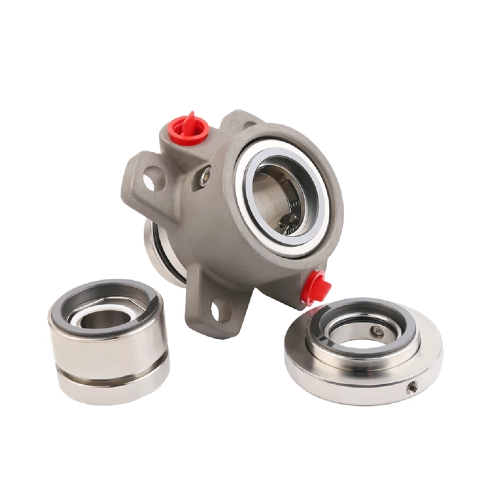
While repairing a mechanical seal is often a viable option, there are situations where replacement is the better course of action. Replacing a damaged seal is sometimes necessary to ensure the continued efficiency and safety of the equipment.
When determining whether to repair or replace a mechanical seal, several factors must be taken into account. Below is a comparison of the key considerations for both options:
Factor | Repair | Replacement |
Cost | Generally lower, especially for minor damage | Higher due to the cost of a new seal |
Time | Quick turnaround for minor repairs | Longer due to manufacturing and installation time |
Seal Performance | May not restore original performance | Guarantees optimal performance with a new, undamaged seal |
Severity of Damage | Suitable for minor wear or damage | Required for significant damage or failure |
Seal Type | Modular seals can be repaired, others may not be | Suitable for all types of seals |
Several signs indicate that a mechanical seal should be replaced rather than repaired:
Severe Damage: When the seal faces are heavily damaged or cracked, resurfacing may not be enough to restore their sealing capacity.
Extensive Corrosion: If corrosion has affected critical components of the seal, such as the shaft or housing, repair may not be possible, and replacement is the better solution.
Outdated Design: In some cases, the design of the mechanical seal may be outdated, and replacement parts may no longer be available. In such instances, replacing the seal with a modern equivalent is often the most practical option.
High Repair Costs: If the cost of repair is close to or exceeds the cost of a new seal, replacing the seal may be a more cost-effective option in the long run.
When feasible, repairing mechanical seals offers several key benefits that can improve operational efficiency and reduce costs.
Repairing mechanical seals is often a cost-effective alternative to replacement, especially when the damage is minor. For many industries, minimizing the cost of parts and labor is crucial, and repair provides an affordable way to extend the life of existing seals without incurring the expense of replacing them entirely.
The repair process for mechanical seals is often faster than a full replacement, reducing the downtime associated with machinery maintenance. This is particularly beneficial in industries where equipment failure can result in lost production and significant financial losses.
Repairing mechanical seals contributes to sustainability by reducing waste. Instead of disposing of worn-out seals and purchasing new ones, repairing existing seals helps reduce the environmental impact of manufacturing and material consumption.
In conclusion, mechanical seals can often be repaired, depending on the severity of the damage and the type of seal. Minor issues, such as surface wear, can typically be resolved through resurfacing, component replacement, and cleaning, while more significant damage may require a complete replacement. It is essential for businesses to carefully assess the costs, benefits, and performance implications of repair versus replacement to make the most informed decision.
At FBU Sealing Technology (Suzhou) CO., Ltd., we specialize in providing expert solutions for mechanical seal repair and replacement. With our in-depth knowledge and experience, we help businesses optimize equipment performance, minimize downtime, and reduce maintenance costs. Whether you need guidance on repairing a mechanical seal or are looking for high-quality replacements, our team is ready to assist. Reach out to us today to explore how we can support your sealing needs and ensure the long-term reliability of your equipment.
Can all mechanical seals be repaired?
Answer: Not all mechanical seals can be repaired. The ability to repair a seal depends on factors such as the type of seal, the severity of the damage, and whether replacement parts are available.
How long can a repaired mechanical seal last?
Answer: A repaired mechanical seal can last for a variable period, depending on the quality of the repair and the operating conditions. It may not last as long as a new, undamaged seal but can still provide several more years of reliable performance.
What are the common repair methods for mechanical seals?
Answer: The common repair methods for mechanical seals include resurfacing the sealing faces, replacing damaged components like O-rings and springs, cleaning the seal components, and rebalancing the seal for proper alignment.
When should I replace a mechanical seal instead of repairing it?
Answer: You should replace a mechanical seal if the damage is too severe, if critical components are no longer available, or if the cost of repair is close to the cost of purchasing a new seal.
Is it worth repairing a mechanical seal?
Answer: Repairing a mechanical seal is worth considering when the damage is minor and repair costs are low. However, for extensive damage or when replacement parts are unavailable, replacing the seal may be the more practical solution.