
Views: 0 Author: Site Editor Publish Time: 2026-03-05 Origin: Site


Mechanical seals are critical components in industrial applications where rotating equipment is involved. These seals are responsible for preventing the leakage of liquids and gases from machinery, ensuring safe and efficient operations. Whether in pumps, mixers, or other rotating equipment, mechanical seals play a key role in maintaining system integrity and performance.
Unfortunately, mechanical seals wear out over time due to various operational conditions, and recognizing the early signs of failure can prevent serious damage, costly repairs, and extended downtime. This article highlights six crucial signs that your mechanical seals may be on the brink of failure, along with what you can do to avoid or address these issues.
Mechanical seals are designed to keep fluids and gases contained, and any leakage around the sealing faces indicates that the seal is no longer performing its function. Leakage can result from multiple factors, such as improper installation, wear due to abrasive particles, or simply the seal reaching the end of its operational life.
Environmental Hazards: Leaks, especially in industries dealing with hazardous materials, can pose significant environmental risks. This can lead to contamination of surroundings and legal issues regarding compliance.
Operational Inefficiency: Even small leaks can lead to a drop in efficiency and increased operational costs. Fluid loss means you are potentially wasting valuable resources.
Equipment Damage: Leaks can cause damage to the machinery, as escaping fluids might erode other components or disrupt smooth operations.
Visible drips or wet spots around the seal.
Fluids accumulating near the machinery base or floor.
Unusual smells or chemical vapors in the air.
Type of Fluid Leak | Potential Risk | Recommended Action |
Water | Can cause rust and corrosion | Immediate inspection and sealing replacement |
Oil | Environmental impact, fire risk | Clean and replace seals, ensure proper lubrication |
Chemicals | Toxic exposure, safety hazards | Immediate replacement and hazard assessment |
Unusual noises or vibrations are typically a result of mechanical seals that are either misaligned or worn out. These issues disrupt the smooth movement of the rotating shaft and sealing faces. Mechanical seals are designed to operate quietly, so any sudden noise—like grinding, squealing, or rattling—should be taken seriously.
Seal Misalignment: When the mechanical seal is not properly aligned with the shaft or other components, it creates friction, leading to noise and vibrations.
Worn-Out Seal Faces: The seal faces themselves, which are usually made of carbon or ceramic, can wear out over time, especially in harsh conditions. Worn faces cause improper sealing, leading to vibration.
Dry Running: Insufficient lubrication or dry running due to improper fluid levels can increase friction, resulting in high-pitched squeals or grinding sounds.
Increased wear on surrounding components: Continued operation with misalignment or worn-out seals may cause further damage to the entire sealing system.
Reduced efficiency: Vibrations may lead to loss of energy efficiency and operational irregularities.
System downtime: As the noise and vibration worsen, it can eventually lead to equipment failure, causing significant downtime.
Loud grinding or squealing noises during operation.
Excessive vibration or shaking during startup or normal operation.
Erratic movement of the shaft.
Mechanical seals are designed to function within a certain temperature range. If the temperature exceeds the recommended threshold, it can signify that the seal is degrading. Heat can accelerate the wear of the sealing material, leading to a loss of performance and premature failure.
Inadequate Lubrication: Insufficient lubrication leads to higher friction, causing excessive heat generation.
Excessive Pressure: High operating pressures may strain the seal, leading to higher temperatures.
Worn Seals: As mechanical seals wear out, the sealing faces may lose their tight fit, leading to friction and heat buildup.
Seal Degradation: Excessive heat can cause the seal material (such as elastomers or carbon) to soften, crack, or become brittle.
Increased Failure Risk: Higher temperatures can lead to faster seal degradation, increasing the likelihood of leakage, vibration, or other failures.
Energy Waste: Operating under high temperatures increases energy consumption, leading to inefficiencies.
The outer casing or housing feels hot to the touch.
Abnormal heat readings on temperature sensors.
Increased wear or cracks on the seal surfaces.
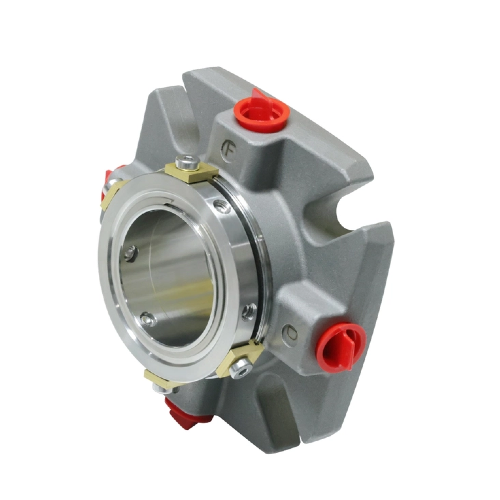
Mechanical seals that are failing can cause increased friction in the system. When the seal is no longer performing efficiently, the machinery, such as pumps or mixers, has to work harder to compensate for the loss of sealing integrity. This results in increased power consumption.
Friction and Resistance: Failing mechanical seals increase the resistance in the system, causing the motor to work harder.
Incorrect Seal Fit: A poorly fitted mechanical seal can cause drag on the shaft or rotating equipment, requiring more energy to operate.
Seal Misalignment: When seals are misaligned, they create extra friction, leading to higher power demand from the equipment.
Increased Operational Costs: Higher power usage results in higher energy bills.
Strain on Equipment: Constant overexertion of the system may lead to breakdowns in other critical components.
Environmental Impact: Excess power consumption contributes to a larger carbon footprint and increases energy costs.
Mechanical seals help maintain a stable pressure within a system. If the seal fails or starts to degrade, it can no longer hold pressure effectively, leading to fluctuations. Pressure instability can cause malfunctions in pumps, compressors, and other machinery.
Seal Failure: A compromised seal cannot maintain constant pressure, resulting in unstable flow or back pressure.
Improper Installation: Incorrectly installed seals may not form an adequate barrier, causing pressure loss or surges.
Abrasive Wear: In applications involving abrasive substances, mechanical seals can wear down faster, affecting the ability to stabilize pressure.
Process Disruption: Inconsistent pressure can affect product quality or process efficiency.
Mechanical Stress: Pressure fluctuations may put undue stress on components, leading to potential failure.
Energy Loss: Poor pressure regulation increases the need for additional energy to maintain system performance.
Mechanical seals can show visible signs of wear and damage from normal wear and tear or from operating under harsh conditions. Visible cracks, scoring, or other forms of damage indicate that the seal is no longer functioning properly.
Corrosion: Harsh chemicals or environmental factors can cause corrosion, which leads to physical damage on the sealing faces.
Abrasive Particles: Small particles in the fluid being sealed can wear down the surface of the seal, creating grooves or pitting.
Overpressurization: Excessive pressure can cause the seal to crack or deform.
Leakage: Damaged seals are no longer able to contain fluids, leading to leakage and potential contamination.
Increased Repair Costs: Continuing to run equipment with damaged seals may result in further damage to surrounding components, escalating repair costs.
Operational Downtime: Visible damage to seals often means that equipment needs to be taken offline for repair or replacement, resulting in downtime.
Cracked or worn seal faces.
Grooves or pits on the sealing surfaces.
Corrosion around the edges of the seal.
Mechanical seals are crucial for maintaining the integrity and efficiency of industrial systems. Identifying the early signs of seal failure—such as leakage, unusual noises, temperature increases, excessive power consumption, pressure instability, and visible damage—can help prevent major equipment issues, minimize costly downtime, and optimize operational expenses.
At FBU Sealing Technology, we understand the importance of early detection and proactive maintenance. Regular inspections and timely seal replacements are key to ensuring the longevity of your equipment and smooth operational performance. Don’t wait for a complete failure—taking action early can save both time and money in the long run.
If you notice any of these signs or require assistance with seal replacements, our team at FBU Sealing Technology (Suzhou) is here to provide expert advice and high-quality solutions. We are committed to helping you maintain peak performance and reliability in your systems. Contact us today to learn more about how we can support your sealing needs and ensure your equipment runs smoothly for years to come.
Q1: How can I prevent mechanical seal failure?
Regular maintenance, proper installation, ensuring adequate lubrication, and selecting the correct seal material for the application can significantly extend the life of mechanical seals.
Q2: What causes mechanical seal failure?
Mechanical seal failure can result from misalignment, improper installation, abrasive particles, high temperature, excessive pressure, or worn-out seal materials.
Q3: How often should I inspect my mechanical seals?
It is recommended to inspect mechanical seals regularly based on your system’s operating conditions. For critical applications, monthly inspections may be necessary, while others may need quarterly or annual checks.
Q4: Can I continue to operate my machinery with a leaking mechanical seal?
It is not advisable to operate machinery with a leaking seal. Leaks can cause environmental hazards, machinery damage, and decreased system efficiency. Immediate replacement is recommended.
Q5: Can mechanical seals be repaired?
Mechanical seals are generally not repairable once they show signs of damage. Replacement is usually necessary to avoid further issues and maintain system integrity.