As an integrated pre-assembled sealing component, cartridge mechanical seals are widely used in general and process industrial equipment such as pumps, chemical reactors, and compressors, thanks to their advantages of convenient installation, controllable assembly accuracy, and stable sealing performance. They serve as the core component of the equipment's sealing system. However, in practical applications, many industry practitioners—including equipment purchasers, sales personnel, on-site assembly and maintenance staff—often fall into some seemingly conventional but actually risky misconceptions due to insufficient understanding of the structural characteristics, working condition adaptation logic, and full-life-cycle usage specifications of cartridge seals. These misconceptions can lead to premature seal failure and unplanned downtime at best, and medium leakage and safety accidents at worst. This article sorts out 6 high-frequency core misconceptions in the use of cartridge mechanical seals and provides standard operation guidelines based on industry practical specifications to help practitioners use them standardizedly and avoid risks.
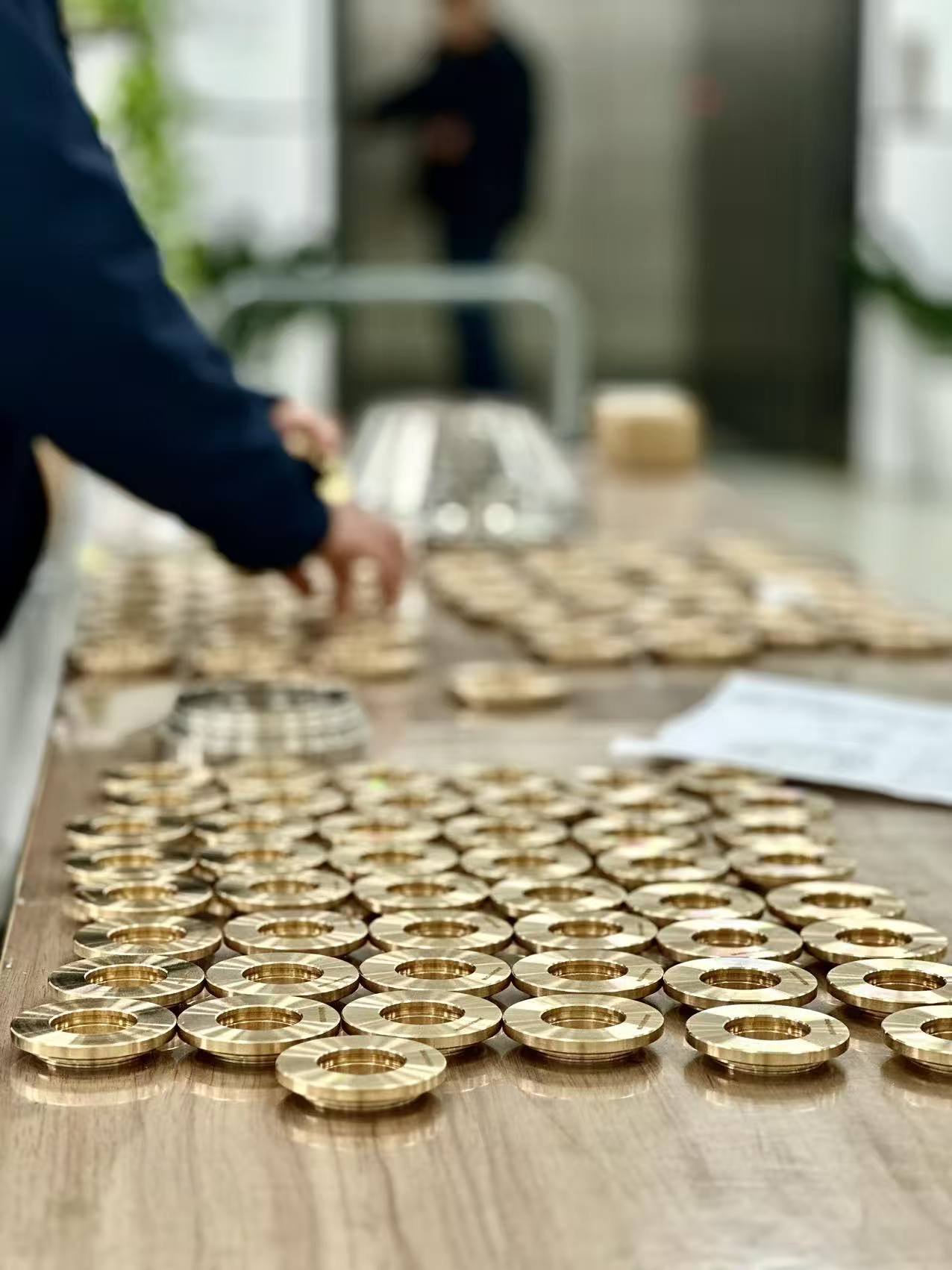
Misconception 1: Over-reliance on the "pre-assembled finished product" attribute, omitting core inspection links before installation
Incorrect Practice: Many practitioners believe that cartridge mechanical seals are pre-assembled finished products from the factory, with precision calibrated before delivery. They only perform a simple visual inspection and directly install and fasten the seals on-site, omitting core inspections of assembly accuracy, pre-compression amount, and component compatibility. Some even remove the transportation positioning clamp in advance before installation, or stack and invert the seal components randomly during storage.
Potential Hazards: Vibration, temperature, and humidity changes during transportation and storage may cause deviations in spring preload and excessive parallelism of the sealing surface; removing the positioning clamp in advance can lead to displacement of the rotating ring component and inaccurate pre-compression amount. Direct installation without inspection will directly cause unbalanced specific pressure on the sealing surface, excessive leakage, and even abnormal wear of the sealing surface and component burnout in the early operation stage.
Standard Operation Guidelines
| Operation Steps | Specific Operation Requirements |
| Transportation and Storage Protection | The tightness of the transportation positioning clamp shall be maintained both after arrival and before installation. It is strictly prohibited to remove, randomly invert, or strike the components in advance to avoid component displacement and damage. |
| Core Inspection Before Installation | 1. Verify the consistency of the seal model, shaft diameter, cavity size with the equipment working conditions and installation drawings to avoid wrong installation; 2. Check the smoothness of the sealing surface, ensure that the rotating/stationary ring sealing surface has no scratches, chipping, or attachments, and the auxiliary sealing ring has no aging, deformation, or cracks; 3. Keep the positioning clamp tight, manually check the floatability of the rotating ring component, and ensure that the spring has no jamming and the compensation mechanism moves smoothly. |
| Equipment Precision Confirmation | Verify the radial runout of the equipment shaft and the end face runout of the seal cavity, ensure they meet the geometric tolerance requirements for seal installation, and avoid the impact of equipment precision defects on seal performance. |
Misconception 2: Non-standard installation operations, ignoring coaxiality calibration and torque control
Incorrect Practice: During on-site installation, only focus on whether the seal can be smoothly installed into the cavity, ignoring the coaxiality calibration between the equipment shaft and the seal cavity, and start fastening after alignment by hand feeling; the gland bolts are not tightened diagonally and step by step, but are tightened at one time based on experience without controlling the torque according to the product manual; even the transportation positioning clamp is removed in advance before the equipment is turned by hand and the bolts are fully tightened.
Potential Hazards: Excessive coaxiality deviation will cause radial oscillation of the rotating ring component during operation, resulting in uneven wear and specific pressure of the sealing surface, leading to continuous leakage and abnormal wear; uneven bolt tightening torque and over-threshold tightening will cause deformation of the seal gland and excessive parallelism of the sealing surface, directly damaging the sealing fit state; removing the positioning clamp in advance will cause irreversible deviation of the seal pre-compression amount, failing to reach the designed seal specific pressure and leading to initial leakage during startup.
Standard Operation Guidelines
| Operation Steps | Specific Operation Requirements |
| Coaxiality Calibration | Prioritize coaxiality calibration before installation. Use a dial indicator to detect the radial circular runout of the equipment shaft and the end face runout of the seal cavity. Under normal working conditions, the coaxiality deviation shall not exceed 0.05mm, and shall be further tightened under high-speed working conditions, complying with the API 682 standard requirements. |
| Bolt Tightening Operation | Adopt the "diagonal step-by-step tightening" method for gland bolts, tighten them gradually in 2-3 times, use a torque wrench throughout the process, strictly control according to the torque value marked in the product manual, and strictly prohibit over-torque tightening. |
| Timing of Positioning Clamp Removal | The transportation positioning clamp can only be removed after the bolts are fully tightened and the equipment is turned by hand to confirm no jamming; after removal, turn the equipment by hand again to confirm that the seal component has no abnormal friction and rotates smoothly. |
Misconception 3: Only focusing on main medium parameters for working condition adaptation, ignoring boundary conditions and material compatibility
Incorrect Practice: During seal selection and procurement, only verify the equipment caliber, shaft diameter, and conventional attributes of the main medium, ignoring the boundary conditions of the working conditions—including trace corrosive components in the medium, solid particle content, pressure/temperature impact during intermittent operation, and parameter fluctuations under extreme working conditions. Generic materials and structures are randomly selected, with the misconception that "same caliber means universal use".
Potential Hazards: Trace corrosive components in the medium (such as chloride ions and sulfides) can cause pitting corrosion and stress corrosion cracking of the seal ring and metal components, leading to component failure in a short period; solid particles can enter the sealing surface, causing abrasive wear and scratches on the sealing surface, leading to continuous leakage; pressure and temperature impact under intermittent working conditions can cause jamming of the compensation mechanism and loss of elasticity of the auxiliary sealing ring of generic seals, ultimately resulting in sudden seal failure.
Standard Operation Guidelines
| Operation Steps | Specific Operation Requirements |
| Confirmation of Working Condition Parameters | Clarify the full working condition boundary conditions before selection, including: complete composition and concentration of the medium, working temperature and extreme temperature range, working pressure and start-stop impact pressure, equipment speed, solid content and particle size of the medium. |
| Structure and Material Matching | 1. For strongly corrosive media: select corrosion-resistant alloys, silicon carbide and silicon nitride ceramic seal rings, and fluororubber or perfluoroether rubber auxiliary sealing rings; 2. For media containing solid particles: select multi-spring structure, external flushing scheme, and wear-resistant hard-to-hard sealing surface pairing; 3. For high-temperature and alternating working conditions: select metal bellows cartridge mechanical seals to adapt to thermal compensation needs. |
| Selection Reference | Refer to the working condition adaptation manual of the official website products, match the corresponding model for different industries and medium scenarios, and avoid over-working condition use of generic products. |
Misconception 4: Non-standard configuration and operation of auxiliary systems, ignoring core requirements of flushing and cooling schemes
Incorrect Practice: In on-site applications, the flushing pipeline is only opened based on conventional experience, without matching the API standard flushing scheme according to working conditions; even the flushing pipeline interface is randomly changed and flushing parameters are adjusted; the flushing medium is not filtered, and the pipeline is not cleaned for a long time, leading to blockage; after the intermittent operation equipment is shut down, the flushing system is directly turned off without delayed shutdown.
Potential Hazards: Incorrect selection of flushing scheme and reversed interface will make it impossible to form an effective lubricating film in the seal cavity, causing dry friction and sharp temperature rise of the sealing surface, resulting in sintering and carbonization of the sealing surface; excessive impurities in the flushing medium and pipeline blockage will aggravate abrasive wear and cooling failure, greatly shortening the seal life; directly turning off the flushing after shutdown will make it impossible to dissipate the residual heat of the equipment, causing high-temperature aging and loss of elasticity of the auxiliary sealing ring.
Standard Operation Guidelines
| Operation Steps | Specific Operation Requirements |
| Flushing Scheme Matching | Strictly match the API standard flushing scheme according to working conditions: use PLAN11 self-flushing for clean media, PLAN21 external flushing + cooler for media containing particles and high-temperature conditions, and PLAN52/53 double-ended seal with isolation fluid system for easy vaporization and dangerous media. It is strictly prohibited to randomly change the scheme and pipeline interface. |
| Start-stop Operation of Flushing System | Start the flushing system before starting the equipment, confirm that the pipeline is unobstructed and the flow pressure meets the requirements (the flushing flow rate is 5-15L/min under normal working conditions, and the flushing pressure is 0.1-0.2MPa higher than the seal cavity pressure); after the equipment is shut down, keep the flushing system running for 10-30 minutes, and turn it off after the temperature of the seal cavity drops to a safe range. |
| Flushing Pipeline Maintenance | Install a filter that meets the precision requirements on the flushing pipeline, clean the filter and pipeline regularly to avoid blockage by impurities and ensure the flushing effect. |
Misconception 5: Blind disassembly and maintenance for fault handling, randomly replacing non-original compatible components
Incorrect Practice: When slight leakage, abnormal noise and other abnormalities occur in the seal, instead of first checking external factors such as equipment working conditions, auxiliary systems, and installation accuracy, the seal component is directly disassembled; the disassembly process is not operated according to standard procedures, causing secondary damage to the components; during maintenance, non-original components with mismatched models and materials are randomly replaced, with the misconception that "as long as it can be installed, it can be used"; after reassembly, the static pressure test is not performed, and the equipment is directly started.
Potential Hazards: Blind disassembly will damage the original assembly accuracy of the cartridge mechanical seal, leading to inaccurate pre-compression amount and parallelism of the sealing surface after reassembly, resulting in more serious leakage; the material, dimensional tolerance, and stiffness parameters of non-original components do not match the original design, which will directly damage the force balance and compensation performance of the seal, greatly reduce the seal life, and even cause complete seal failure; directly starting the equipment without static pressure test cannot check assembly defects in advance, which is likely to cause leakage at startup and even safety accidents.
Standard Operation Guidelines
| Operation Steps | Specific Operation Requirements |
| Abnormality Inspection | When abnormalities occur in the seal, prioritize non-disassembly inspection: verify whether the operating condition parameters are out of range, whether the flushing and cooling system is normal, whether the equipment vibration and coaxiality are excessive, and whether the gland bolts are loose. Try to solve the problem by adjusting external parameters first. |
| Standard Disassembly | If disassembly and maintenance are really necessary, operate according to the procedures in the product manual, use special tools, strictly prohibit prying and striking the sealing surface and precision components, and place the disassembled components in order and do a good job in protection to avoid secondary damage. |
| Component Replacement | Replacement components must be qualified accessories of the same model and material as the original factory, ensuring that the dimensional tolerance and performance parameters are consistent with the original design. After replacement, re-calibrate the seal pre-compression amount and assembly accuracy. |
| Test After Assembly | After reassembly, first perform a static pressure test (pressure holding for 30 minutes without abnormal leakage), then perform a hand turning test, and start the equipment only after confirming no jamming. |
Misconception 6: Implementing "no replacement until damage" post-maintenance, ignoring full-life-cycle preventive maintenance
Incorrect Practice: Treat cartridge
mechanical seals as "maintenance-free components", only pay attention to visible leakage in daily use, and do not perform regular inspection and preventive maintenance; during equipment overhaul, only simply clean the seal components and do not replace wearing parts according to the cycle; even use seal products beyond the storage period, with the misconception that "no visible damage means usable".
Potential Hazards: The rotating/stationary ring sealing surface, auxiliary sealing ring, and elastic compensation element of the cartridge seal are all wearing parts with a service life. After long-term operation, they will have micro-wear, material aging, elastic attenuation and other problems. Even if there is no visible leakage, their sealing performance and safety margin have been greatly reduced, which is very likely to cause sudden failure when the working conditions fluctuate, leading to unplanned downtime; for seal products beyond the storage period, the auxiliary sealing ring will have natural aging and loss of elasticity, which is very likely to cause initial leakage after installation, increasing the risk of equipment operation.
Standard Operation Guidelines
| Operation Steps | Specific Operation Requirements |
| Full-life-cycle Management | Establish a seal management account, record the installation time, operating conditions, and inspection and maintenance records, and clarify the replacement cycle of wearing parts; under normal working conditions, the overall service life of the seal is 1-2 years, the preventive replacement cycle of wearing parts such as auxiliary sealing rings is 6-12 months, and the cycle shall be shortened under harsh working conditions. |
| Regular Inspection | Check the seal leakage, operating temperature, and vibration every month; check the flushing and cooling system and filter cleanliness every 3 months; disassemble and check the wear of the seal components every 6 months, and evaluate the remaining service life. |
| Overhaul Maintenance | During the planned equipment overhaul, regardless of whether the seal leaks or not, replace the full set of auxiliary sealing rings, check the wear of the sealing surface and the performance of the elastic elements, and replace the whole seal in time when it exceeds the design threshold. |
| Storage Management | Strictly control the storage period and environment: the storage period of conventional rubber sealing rings shall not exceed 2 years, and that of special sealing rings such as perfluoroether shall not exceed 3 years; the storage environment shall be light-proof, moisture-proof, away from heat sources and corrosive media, and it is strictly prohibited to use beyond the storage period. |
Conclusion
The stable operation of
cartridge mechanical seals lies in "standard working condition adaptation, standard installation operation, and scientific full-life-cycle maintenance". The above 6 misconceptions are high-frequency and easily overlooked core problems in industrial sites. Their essence is the insufficient understanding of the design logic, working condition adaptation requirements, and industry standards of cartridge mechanical seals. Avoiding the above misconceptions and strictly following industry standards and product technical requirements to perform the whole process of selection, installation, operation, and maintenance can not only effectively extend the service life of the seal, reduce the risk of unplanned equipment downtime, but also avoid safety hazards caused by medium leakage from the source.
Have you encountered any technical problems in the selection, installation, and maintenance of cartridge mechanical seals? You can leave a message in the comment area, and our professional technical engineers will provide you with one-on-one technical answers. At the same time, you can pay attention to the official website technical column to obtain more industry standards, practical guidelines, and working condition solutions for mechanical seals.


